Why Losing at Chess Can Help Your Child Win in Life
Every chess game ends with a winner and a loser — and that's exactly the point. Here's why learning to lose well at chess may be one of the most useful life skills a child can pick up.
- chess
- kids
- resilience
- growth-mindset
- parenting
- child-development
- primechess
- learning
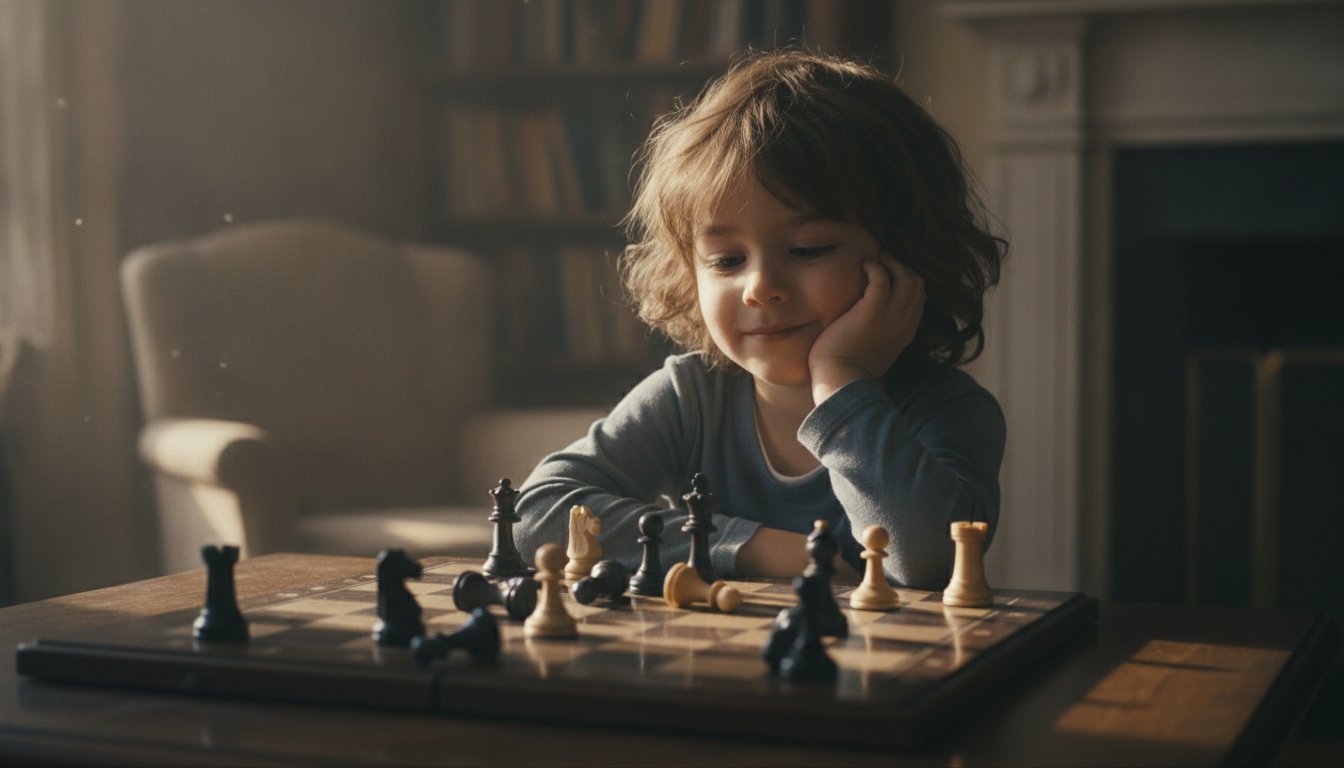
Why Losing at Chess Can Help Your Child Win in Life
Most games for kids are built so everyone feels good. Everyone gets a turn. Sometimes everyone gets a prize.
Chess is different.
In chess, there is no tie most of the time. One player wins. The other loses. And if your child plays chess seriously, they will lose — a lot, especially in the beginning.
This might sound like a bad thing. But it may actually be one of the best things about chess for growing minds.
Losing Is Built Into the Game
Think about how a chess tournament works. A child plays a game. If they lose, they don't go home. They don't get removed from the event. They simply walk to the next table, sit down, and play again — often within the hour.
This is very different from how children usually experience failure. At school, a bad test score can feel heavy and final. On a sports team, losing a match might mean waiting days for the next game. In chess, kids get an almost immediate chance to try again, with a fresh board and a clean start.
Over time, this teaches something important: a loss is not the end of the story. It's just one round.
The Idea of a "Growth Mindset"
Psychologist Carol Dweck spent years studying how children respond to failure. She found that kids generally fall into two patterns of thinking. Some believe their abilities are fixed — "I'm just not good at this" — and they tend to give up after setbacks. Others believe abilities can grow with effort and practice, and they tend to keep trying, learn from mistakes, and improve over time.
Chess is almost a training ground for this second way of thinking. Nobody is "born a good chess player." Every strong player — including world champions — lost hundreds of games on their way up. When a child sees that losing is simply part of getting better, not proof that they can't do something, they start applying that same thinking to schoolwork, sports, and friendships.
Even the Champions Lost First
Magnus Carlsen, widely considered one of the greatest chess players in history, did not start out winning. As a young boy, he lost many games and took years of steady practice before he began beating strong adult players. The same is true of almost every top player in the world — their early years are full of losses, not trophies.
This is a powerful thing for a parent to share with a child who is upset after a loss: even the best players in the world lost constantly when they were learning. Losing wasn't a sign they should quit. It was simply part of the process.
Learning to Look Back Without Fear
One of the most valuable habits in chess is something called a "post-mortem" — a fancy word for simply sitting down after a game and asking, "What went wrong, and what can I do differently next time?"
This is a hard skill for anyone, child or adult. It means looking honestly at a mistake instead of blaming the opponent, the clock, or bad luck. Chess makes this easier because the mistake is sitting right there on the board — clear, specific, and fixable. There's no one else to blame for a move you made yourself.
Children who practice this regularly — calmly reviewing what went wrong instead of getting upset and avoiding the topic — often carry that same calm, problem-solving attitude into other parts of life, from a tough exam to a disagreement with a friend.
Why This Matters More Than Winning
Parents often ask whether their child needs to be "good at chess" for it to be worth learning. The truth is, the real benefit isn't the winning. It's the repeated, low-stakes practice of trying, losing, thinking about why, and trying again — hundreds of times, in a safe and friendly setting.
That kind of practice is hard to find elsewhere in a child's life. Most activities are designed to protect kids from failure. Chess quietly does the opposite, in the gentlest way possible: one board, one game, one chance to learn, over and over again.
Giving Your Child a Safe Place to Fail
The good news is that your child doesn't need to visit a chess club or travel to a tournament to get these benefits. With guided lessons, kids can experience this same cycle of playing, losing, learning, and improving in a warm, encouraging setting — with a coach who helps them see every loss as useful information, not something to be ashamed of.
That is exactly what PrimeChess.org online classes are built for: a friendly, structured space where kids aged 6 to 13 can learn chess step by step, lose a few games along the way, and come out the other side a little more confident, a little calmer, and a lot more willing to try again — on the board and off it.
PrimeChess Courses
Keep learning with PrimeChess
If tactics are improving but plans still feel unclear, the Intermediate Course teaches strategic thinking, practical openings, and endgame technique for growing competitors.