The Rival He Can't Beat, the Sleep He Didn't Get, and the Title He Won Anyway
Wesley So let the U.S. Chess Championship slip away in the final round, losing to a player who has now never beaten him in his life — then came back on almost no sleep to win the playoff anyway. In the same St. Louis hall, 16-year-old Rachael Li became th
- wesley-so
- fabiano-caruana
- sam-sevian
- rachael-li
- us-chess-championship
- chess-news
- tournament-drama
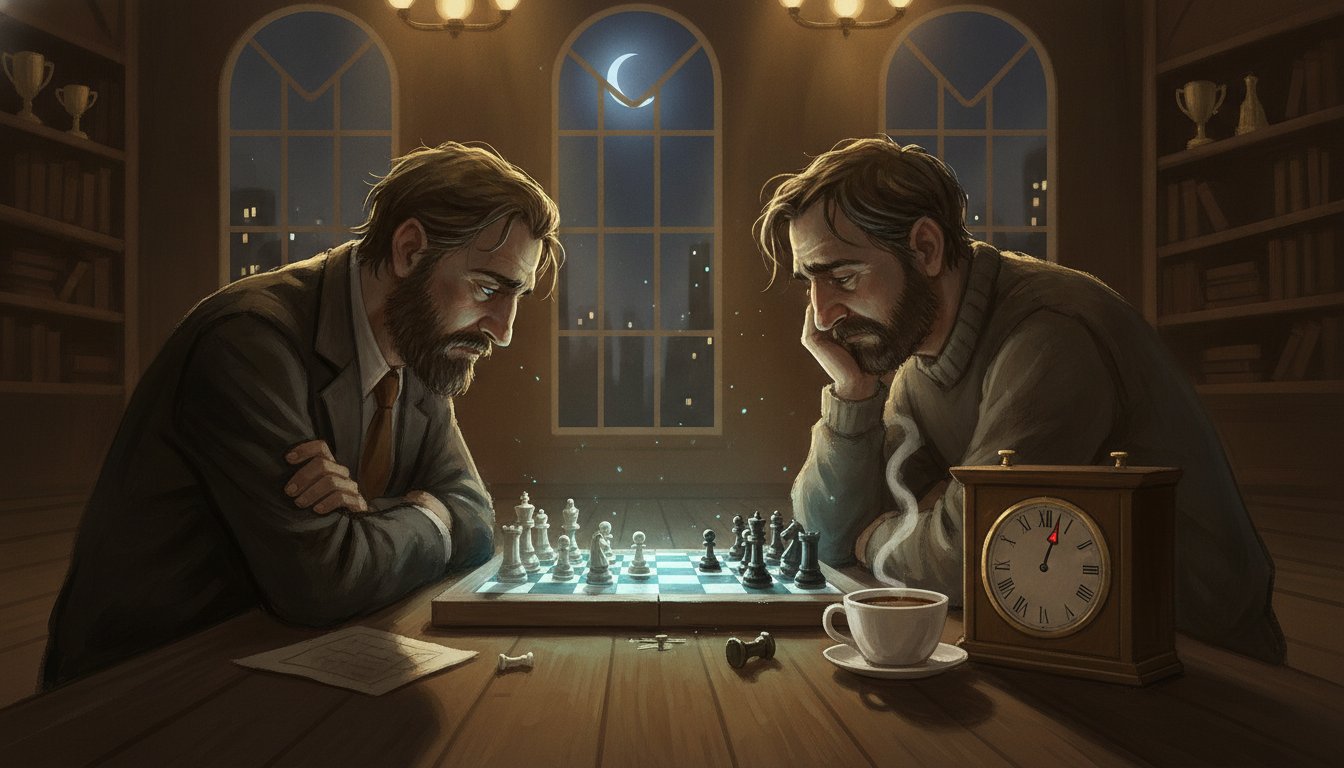
Imagine being one draw away from winning a national championship — and then losing anyway, to the one player who has never once beaten you before in your career... except this time, three times in a row now.
That's exactly what happened to American grandmaster Wesley So in St. Louis last week. And somehow, it's not even the ending of the story.
One Win From the Trophy, Then Everything Fell Apart
Wesley So walked into the final round of the 2026 U.S. Chess Championship with a full-point lead. A draw would have been enough. Instead, he ran into GM Sam Sevian — a player sitting near the bottom of the standings, but who has quietly owned So in classical chess for years.
Sevian told GM Maurice Ashley something that explains a lot about this rivalry: he simply reads So well over the board. As he put it, he likes playing So "especially in classical," because while So sets tricky traps in faster time controls, in classical chess he can usually "figure out his little ideas."
That read-him-like-a-book confidence paid off. Sevian outplayed So in a heavy-piece endgame and won — his third career win over So, with zero losses to show for it.
Caruana's "Zero Percent" Moment
Meanwhile, defending champion Fabiano Caruana was chasing a fifth consecutive U.S. title, sitting a point behind So with nothing to lose. Before the round even started, he'd been asked how he rated his own chances. His answer: basically none. He figured there was "zero percent" chance that So would lose, even if he somehow won his own game.
Then he won his own game. And So lost his. Suddenly a championship that looked decided was heading to a playoff.
A Nearly Sleepless Night, Then a Trophy Anyway
So later admitted the loss wrecked him. He said he barely slept, catching maybe two or three hours before the playoff against Caruana the next day. He didn't hide how rattled he was either, giving credit to his opponent while being honest about his own form: he was shocked by how well Sevian had played, but admitted he himself "played very badly."
The rapid tiebreak games the next day weren't pretty either. Both players had just come from the Chess Olympiad in Uzbekistan, and So later said the quality from both sides was poor — full of blunders and mistakes from two exhausted grandmasters. At one especially rough moment, he said his mind was "all over the place" and he was convinced he was losing badly, even though he wasn't.
None of that mattered in the end. So leaned on experience over panic, found the critical ideas when it counted, and beat Caruana 1.5–0.5 to win his fourth U.S. Chess Championship title — four years after his last one, and with $56,000 added to his trophy case.
It's a strange kind of poetic justice: the man who dominates classical chess titles still can't solve the one rival who, on paper, should be nowhere close to him.
A Teenager Writes Her Own History in the Same Hall
While the men's event was having its meltdown-and-comeback drama, something quieter but just as remarkable was happening a few boards away.
16-year-old WIM Rachael Li clinched the 2026 U.S. Women's Chess Championship with a calm final-round draw — no playoff needed. It made her the youngest first-time winner in the event's history. Along the way she also earned her first IM norm with two rounds still to play, picked up a 50-point rating boost, and walked away with $45,000 in prize money.
Two very different stories, same tournament hall: one champion who had to claw his title back from the edge of disaster, and one who simply arrived, stayed composed, and made history look easy.
Why This Week Mattered
Chess fans often talk about rating points and engine evaluations, but weeks like this are a reminder of what actually makes the game compelling — nerves, rivalries, and the very human experience of nearly losing everything before finding a way to win it back. Wesley So's title defense wasn't clean or dominant. It was exhausted, chaotic, and real. And that's exactly why it's worth remembering.
PrimeChess Courses
Keep learning with PrimeChess
Looking for a focused chess boost during school breaks? PrimeChess Chess Camps offer short, themed training programs that keep students learning and enjoying the game.