Why Chess Kids Learn to Slow Down — Before They Speed Ahead in Life
Most kids want things fast — fast games, fast rewards, fast answers. Chess quietly teaches them to slow down, think ahead, and wait for the right moment, a skill that pays off far beyond the board.
- chess
- kids
- patience
- decision-making
- parenting
- online classes
- child development
- primechess
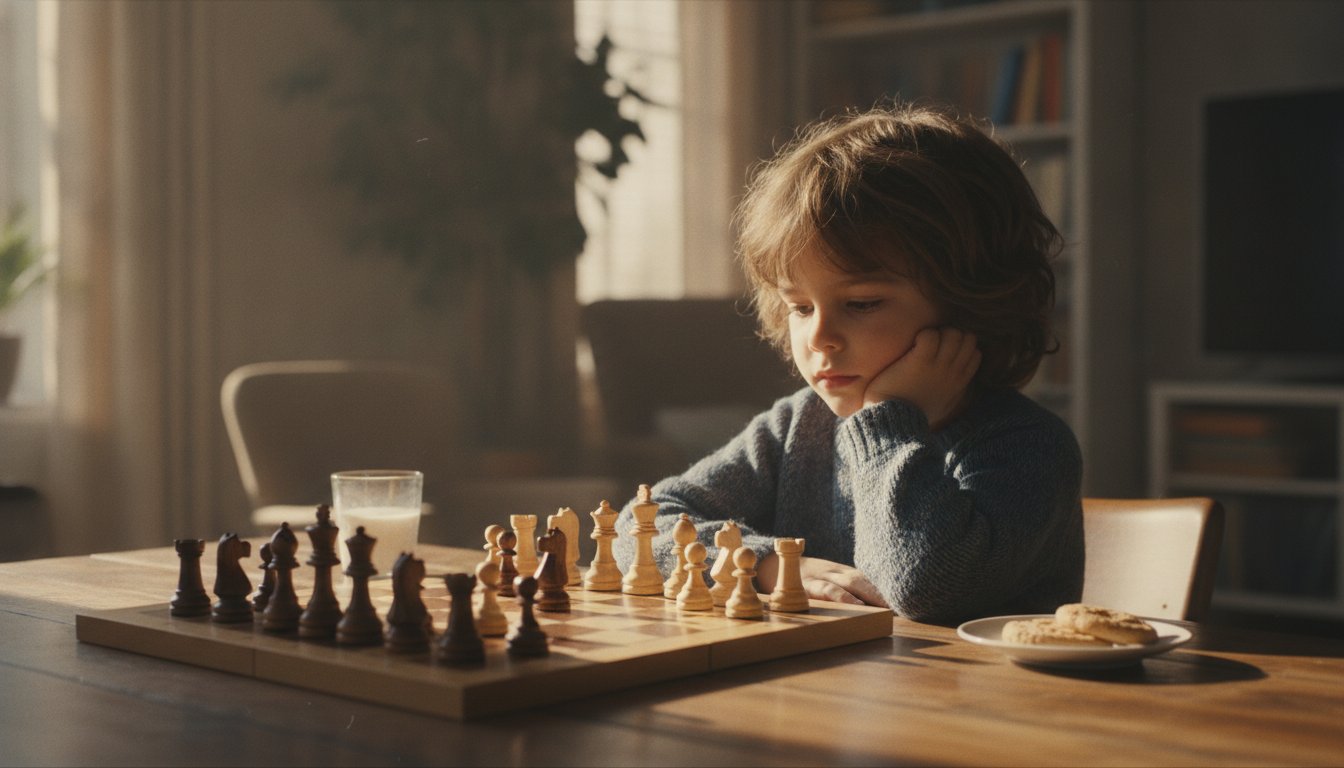
The Game That Taught an 18-Year-Old to Wait
In December 2024, in a quiet playing hall in Singapore, an 18-year-old from India named Gukesh Dommaraju sat across the board from world champion Ding Liren. It was the final game of the World Chess Championship. The score was tied. Millions of people were watching.
The position on the board looked boring. Many commentators thought it would end in a draw, with both players sharing the title. A young or impatient player might have relaxed, offered a draw, or made a quick careless move just to finish the long match.
Gukesh didn't. He kept playing, move after move, patiently looking for the smallest chance. He didn't rush. He didn't panic. He simply waited for an opportunity.
Then it happened. Ding Liren made one small mistake under the pressure of a long, tense game. Gukesh noticed it immediately, played the correct response, and won the game — and the World Championship. At 18, he became the youngest undisputed World Chess Champion in history.
This wasn't luck. It was patience, trained over thousands of hours on the chessboard, showing up exactly when it mattered most.
Why Patience Is So Hard for Kids Today — and So Important
Think about how children spend their time today. A video loads in two seconds or they swipe to the next one. A game gives a reward almost instantly. Everything is built to be fast.
But real life doesn't work that way. Doing well in school, learning a sport, building a friendship, or solving a hard problem all take time and patience. Kids who can't wait often give up too early or make rushed decisions they regret.
Chess is one of the few activities left that cannot be rushed. You cannot win a chess game by moving fast. In fact, moving too quickly is usually how kids lose. The game itself forces a child to pause, think, and consider before acting — every single turn.
How a Chessboard Quietly Builds Decision-Making Skills
Every move in chess asks a child the same simple question: "If I do this, what happens next?"
At first, young players only think one move ahead. But with practice, they naturally start thinking two moves ahead, then three, then more. They learn to compare different choices before picking one. They learn that the move that feels exciting right now isn't always the best move for later.
This is exactly the kind of thinking children need outside the chessboard too — when choosing how to spend their pocket money, how to prepare for a test instead of cramming the night before, or how to handle a disagreement with a friend without reacting right away.
The Clock Teaches Something Too
Many chess games, especially online ones, use a clock. Each player only has a set amount of time to make all their moves. This might sound stressful, but it actually teaches children something valuable: how to make good decisions even when time is limited.
This is a skill adults use every day — answering an exam question before time runs out, making a quick but sensible choice during a sport, or staying calm when a decision has to be made fast. Chess gives children safe, low-pressure practice at this, one game at a time.
A Simple Game, A Big Life Skill
Psychologists have long been interested in why some children are better at waiting for a bigger reward later instead of grabbing a smaller one right away, and how that ability connects to patience and self-control later in life. Chess doesn't test this idea in a lab — it trains it, every time a child resists the urge to grab a piece quickly and instead stops to think first.
The best part is that children don't feel like they're "practicing patience." They just feel like they're playing a fun, challenging game. The patience grows quietly in the background, move by move, game by game.
Bringing This Skill Home
Gukesh's story is extraordinary, but the lesson behind it isn't only for future champions. Every child who learns chess practices the same basic habit he used in that final game: stay calm, keep thinking, don't rush, and wait for the right moment.
That habit doesn't stay on the chessboard. It shows up at homework time, in friendships, in exams, and later, in adult life.
Give Your Child This Head Start
You don't need a chess coach sitting in your living room or a special chess set to get started. At PrimeChess.org, children aged 6 to 13 learn chess through fun, structured online classes with real teachers — building patience, focus, and smart decision-making, one lesson at a time.
If an 18-year-old can out-think a world champion by simply staying patient for one more move, imagine what your child could learn from starting young.
PrimeChess Courses
Keep learning with PrimeChess
Preparing for serious tournament games? The Advanced Course gives ambitious players deeper positional training, calculation work, and expert analysis for tougher competition.