Why Losing at Chess Might Be the Best Thing That Happens to Your Child
Losing is hard for every child — but chess is one of the few activities that teaches kids how to lose well, learn fast, and try again. Here's why that skill matters more than any trophy.
- chess
- kids
- resilience
- parenting
- growth-mindset
- online-chess-classes
- education
- sportsmanship
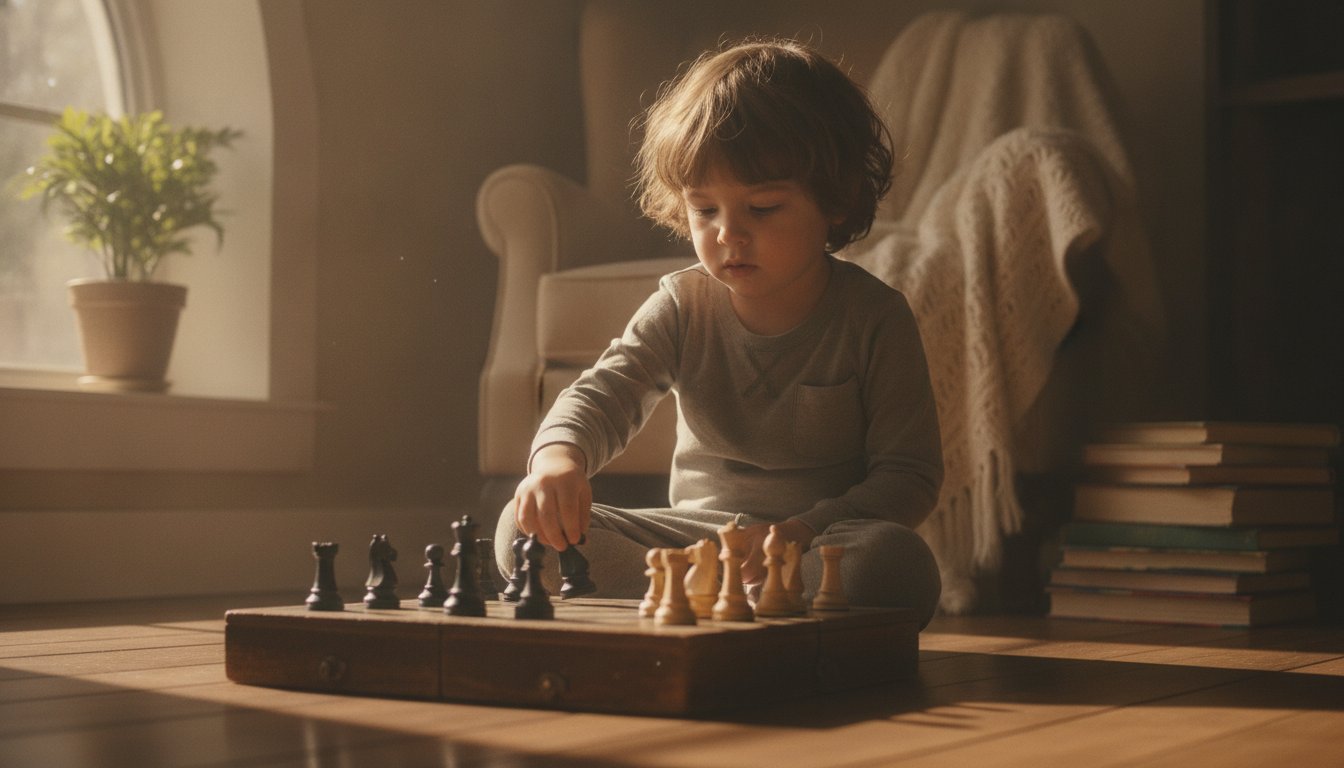
Why Losing at Chess Might Be the Best Thing That Happens to Your Child
No parent enjoys watching their child lose. A missed goal in football, a wrong answer in class, a game night that ends in tears — it's hard to see our kids disappointed.
But here's something interesting: in chess, losing is not an accident. It happens to every player, in every tournament, at every level. Even world champions lose games. And that simple fact makes chess one of the best tools we have for teaching children how to handle life's ups and downs.
Every Chess Game Has an Ending — And That's the Point
Unlike many children's activities today, a chess game does not end in a group hug where everyone gets a medal. It ends with a win, a loss, or a draw. There is no hiding from the result.
This might sound harsh, but for a growing child, it is actually a gift. Chess gives kids a safe, low-stakes place to practice something they will need their whole lives: facing a disappointing result, staying calm, and figuring out what to do next.
At home, a lost game doesn't mean a lost afternoon. Kids can reset the board and play again in minutes. That fast cycle of "try, fail, learn, try again" is exactly how resilience is built — not through big speeches, but through small, repeated practice.
A True Story: From a Homeless Shelter to a State Champion
One of the most inspiring chess stories of the last decade belongs to a boy named Tani Adewumi. His family fled violence in Nigeria and, after arriving in the United States, spent time living in a homeless shelter in New York City. Tani started learning chess at a local school program around that time — a complete beginner, with no fancy training and no home of his own.
Within about a year, he won the New York State chess championship for his age group, beating children who had been playing far longer than he had. His story was covered widely by major news outlets and later became a book and documentary.
What made Tani's story so powerful wasn't just the win. It was everything that came before it — the many games he must have lost while learning, the patience of practicing again and again, and a family that kept showing up for him. Chess didn't erase his hardship, but it gave him something to build, one game at a time.
Chess Teaches "Losing Well" — A Skill School Rarely Teaches
Most school subjects reward getting the "right answer." There isn't much room to practice being wrong. Chess is different. A lost game isn't a dead end — it's a lesson waiting to be understood.
Good chess coaches teach children to do something simple but powerful after a loss: go back through the game, find the moment things went wrong, and understand why. This turns a painful moment into useful information. Over time, children start to see mistakes not as something to be ashamed of, but as something to study.
This habit — treating setbacks as feedback instead of failure — is closely linked to what psychologists call a "growth mindset," the belief that ability can improve with effort and practice, rather than being fixed forever. Chess, almost by accident, gives children daily practice at building exactly this kind of thinking.
There's also a quieter lesson happening at the chessboard: sportsmanship. At the end of every game, win or lose, players shake hands. It's a small ritual, but it teaches children to be gracious in victory and dignified in defeat — a habit that carries over into friendships, sports, and family life.
A Game Without Borders
Chess has another quiet superpower: it connects children across countries, languages, and cultures. The rules of chess are the same in Singapore, Nigeria, Armenia, and Brazil. A child in one country can play — and become friends with — a child on the other side of the world, without needing to share a language.
Some countries have taken this seriously at a national level. Armenia, for example, made chess a required subject in its primary schools, believing it helps build thinking skills in young students. Whether or not every country goes that far, the message is clear: many educators around the world see chess as more than a hobby — they see it as a tool for developing better thinkers.
For a child, this global aspect of chess is exciting. Through online classes and tournaments, a young player can compete against — and learn from — kids they might never otherwise meet. It's one of the few childhood activities that can feel local and global at the same time.
What This Means for Your Child
You don't need to raise a future champion for chess to be worth it. The real value is in the small, repeated moments: losing a game, feeling disappointed, and choosing to look at the board again instead of walking away.
That is a life skill. It shows up later in exams that don't go well, tryouts that don't work out, and friendships that hit rough patches. Kids who have practiced "losing well" at the chessboard tend to carry that steadiness into other parts of life.
Give Your Child a Head Start
If you want your child to build this kind of resilience — while having fun and making friends along the way — a structured, guided introduction to chess makes all the difference. A good coach doesn't just teach openings and checkmates; they teach children how to handle both sides of the scoreboard with grace.
PrimeChess.org offers live online chess classes for children aged 6 to 13, taught by experienced coaches who understand how young minds grow — on and off the board. Your child doesn't need any prior experience to start.
Give your child the chance to learn, lose, grow, and win — one game at a time.
PrimeChess Courses
Keep learning with PrimeChess
Preparing for serious tournament games? The Advanced Course gives ambitious players deeper positional training, calculation work, and expert analysis for tougher competition.